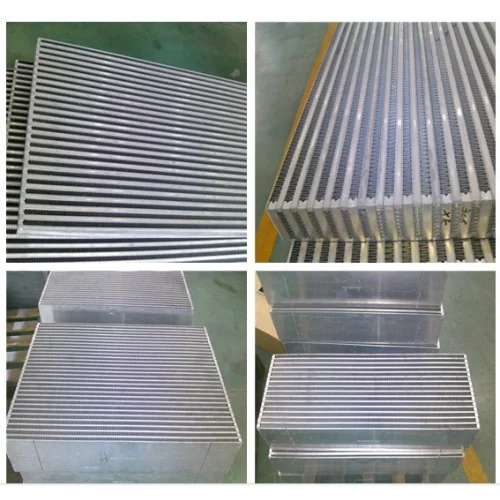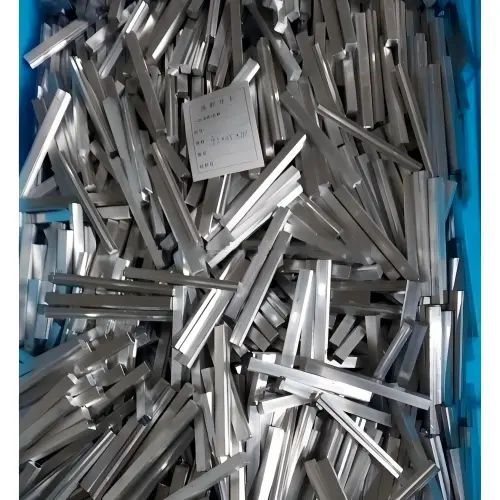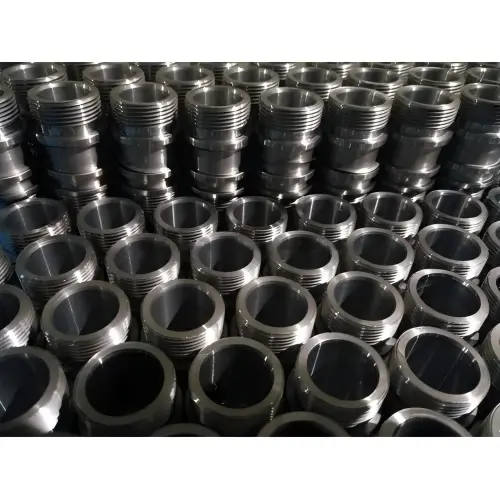
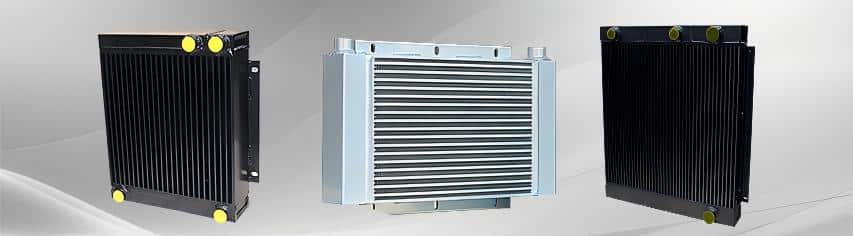
Aluminum plate-fin heat exchangers are widely used in air compressors, construction machinery, agricultural machinery, forestry machinery, hydraulic systems, engineering vehicles, automotive, locomotive, petrol/diesel engines, and wind power generators, etc.
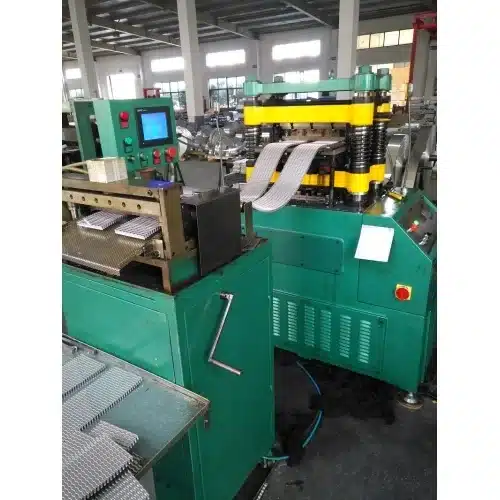
Aluminum Plate Fin Heat Exchanger Production Equipment: We speciaize in developing the equipment for manufacturing heat exchangers, including radiator fin machines and fin molds, bar automatic feeding and cutting machine, core assembly machine, core chamfering machine, supersonic cleaning machine, vacuum brazing furnace and more.
DAG is committed to providing high-quality, competitively priced, innovative thermal management solutions that exceed the expectations of our global customers.
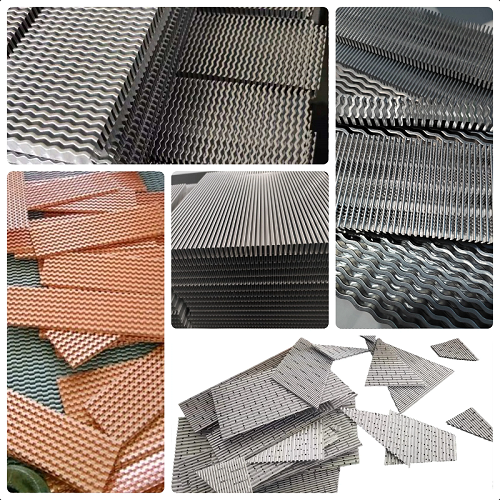
A fin pressing machine is a specialized piece of equipment used to process heat transfer fins—a key component of heat exchangers. Equipped with dies of various models and specifications, the fin pressing machine can automatically and consistently produce heat transfer fins made of aluminum, copper, and stainless steel in a wide range of shapes and sizes. Examples include offset fins, wavy fins/corrugated fins, plain fins/straight fins, perforated fins and louvred fins. The parts produced feature high dimensional and geometric accuracy, an aesthetically pleasing appearance, and low manufacturing costs. This equipment is compact in design, easy to operate, and offers stable performance with low vibration and low noise levels.
A fin pressing machine is a piece of equipment that directly processes foil into various types of heat transfer fins; compact heat exchangers constructed using these heat transfer fins are finding increasingly widespread application in numerous fields, including the automotive, marine, air conditioning, compressor, construction machinery, mining machinery, aviation, defence, and hydraulic oil cooling industries.
If you have a business or project that needs a fin pressing machine, you will find the complete line at DAG. We have high-precision, multi-size equipment!
Fins are the basic components of heat exchangers, and heat transfer depends on them. The main types of fins include: staggered fins, straight fins, perforated fins, louvered fins, and corrugated fins. High-speed automatic fin pressing machines and fin dies are specialized equipment used to produce various types of heat exchanger fins. By utilizing different fin dies, heat exchanger fin stamping machines can automatically and consistently produce a wide range of aluminum, copper, and stainless steel fins. Fins produced by these machines offer advantages such as high precision, excellent appearance, and low processing costs.
DAG specializes in providing comprehensive fin pressing machine solutions. For our range of fin pressing machines and fin dies, we are committed to providing customized services to meet your specific fin design requirements and needs. Please provide your fin specifications or drawings, and we will offer an optimized configuration plan to help you produce the heat exchanger fins you need.
| Model | CPJG14X10X450 | ||
| Use Power | Three-phase 380V+10% 50Hz+2% (Customizable upon client country) | ||
| Machine Accuracy | Highest point flatness of lower mold | mm | ≤0.03 |
| Lowest point flatness of upper mold | mm | ≤0.03 | |
| Rising process flatness of mold | mm | ≤0.03 | |
| Descending process flatness of mold | mm | ≤0.03 | |
| Vertical stroke of machine tool | mm | 14 (Customizable) | |
| Punching force of machine tool | kg | 4200 | |
| Fin Specs | Fin( Max Height*pitch) | mm | 12x10 (Customizable) |
| Max width of fin | mm | 300 or 450 (Customizable) | |
| Max height of fin | mm | 12 (Customizable) | |
| Machining Speed | Frequency control | Strokes/Minute | 50~120 |
| Fin Machine Overall Dimension | Length | mm | 1420 |
| Width | mm | 700 | |
| Height | mm | 1650 | |
| Noise Level | db(A) | 60 | |
| Machine Weight | kg | 1800 | |
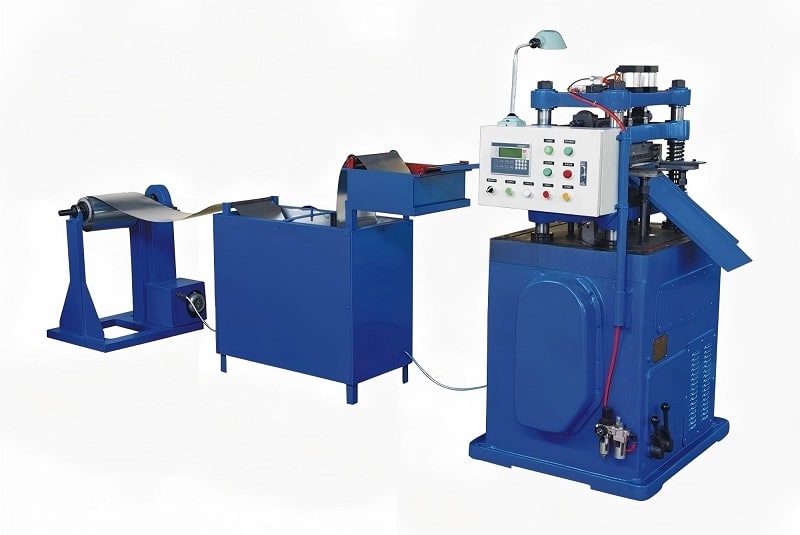
The fully automatic fin production line utilizes PLC-based intelligent automatic control and features automatic feeding, automatic fin forming, automatic fin cutting, and electrical adjustment for die installation. When producing fins of different heights using the same die (suitable for fins with the same spacing but different heights), settings can be configured on the display screen to enable quick positioning and convenient operation, significantly reducing die setup time. After installing different fin dies, the fin machine can produce various types of heat sink fins, such as beveled fins, wavy/corrugated fins, flat/straight fins, perforated fins, and louvered fins.
We offer two main series of fin Pressing machines: the HCPJ300 and HCPJ450. These machines can perform processes such as automatic feeding, shaping, automatic cutting, and automatic unloading, allowing users to choose the configuration that best suits their needs.
| Model | HCPJ300-A | HCPJ300-B | HCPJ300-C | HCPJ450-A | HCPJ450-B | HCPJ450-C |
| Max fin flowlength | 300mm | 300mm | 300mm | 450mm | 450mm | 450mm |
| Max Al fin thickness | 0.3mm | 0.3mm | A1 0.6mm SS 0.2mm | 0.4mm | 0.4mm | A1 0.4mm SS 0.2mm |
| Max fin pitch | 5mm | 5mm | 5mm | 5mm | 5mm | 5mm |
| Max fin height | 10.3mm | 12.5mm | 10.3mm | 10.3mm | 12.5mm | 10.3mm |
| Tool Vertical stroke | 12mm | 14mm | 12mm | 12mm | 14mm | 12mm |
| Stamping force of machine tool | 7000kgs | 7000kgs | 9000kgs | 10000kgs | 10000kgs | 12000kgs |
| Spindle Speed | 0-146 RPM Freq. controle | 0-146 RPM Freq. controle | 0-146 RPM Freq. controle | 0-146 RPM Freq. controle | 0-146 RPM Freq. controle | 0-146 RPM Freq. controle |
| Host Power | AC380V 4KW | AC380V 4KW | AC380V 4KW | AC380V 5.5KW | AC380V 5.5KW | AC380V 7.5KW |
| Size: L*W*H | 1000*800*1600mm | 1000*800*1600mm | 1000*800*1600mm | 1000*800*1630mm | 1000*800*1630mm | 1000*800*1630mm |
| Weight | 1650Kg | 1650Kg | 1800Kg | 1850Kg | 1850Kg | 1850Kg |
Note: The maximum fin pitch and height can be customized according to customer requirements.
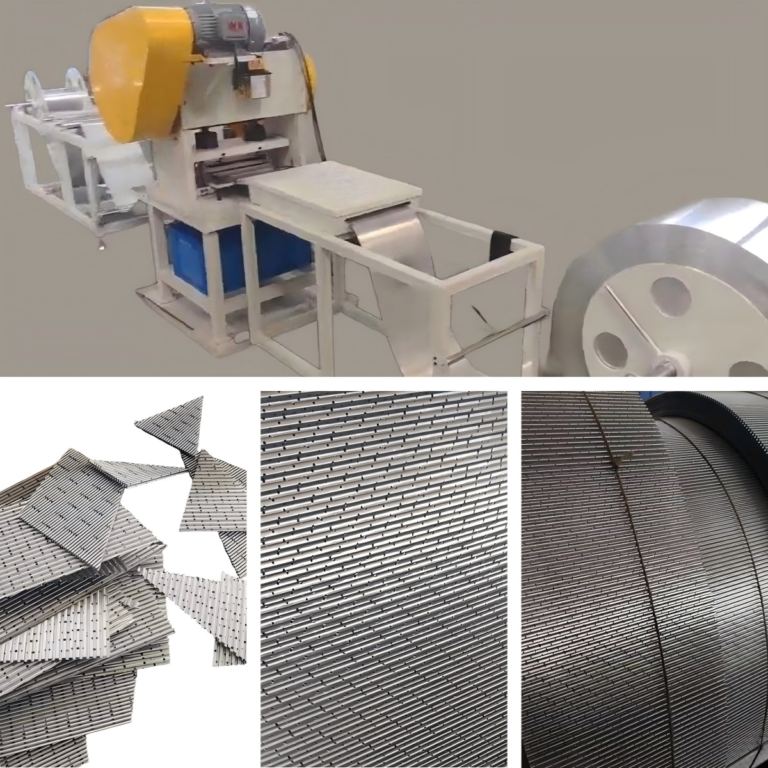
Aluminum Foil Automatic Perforating Machine, the hole position and quantity are upon the client’s request.
Aluminum Foil Automatic Perforating Machine is used to produce heat exchanger perforated fins. First, the aluminum foil/ copper foil/ SS foil is perforated by a perforating machine. Then the perforated foils are formed into perforated fins by a fin machine. The perforated fins are mainly used for air-conditioner radiators, condensers, automobile intercoolers, radiator air coolers, air separation heat exchangers, and more.DAG supplies the full set of heat exchanger fin solutions
from metal foil perforating machine, fin forming machine, cutting fin machine and fin molds, etc.
Main functions of perforated fins
1. Enhance heat exchange, improve heat dissipation/ cooling efficiency
When air flows through the small holes in the fins, it is divided and disturbed, breaking the static air layer on the surface and increasing the contact strength between the air and the aluminum foil. The heat exchange efficiency is significantly improved compared to ordinary smooth fins
2. Reduce wind resistance, lower fan load
The dense holes make the air flow penetration better, reducing ventilation resistance and resulting in less power consumption for the fan and lower operating
3. Distribute condensate water, prevent water accumulation and condensation
In certain conditions, such as air-conditioning evaporators, condensate water will be generated. The small holes can quickly guide and drain the water, avoiding water droplets adhering to the surface of the fins, blocking the airflow, and breeding mould.
4. Reduce the weight of heat exchanger/cooler/radiator
Overall, the holes are reduced, which leads to less material usage. The fins are thinner and lighter, resulting in a reduction in the overall weight of the equipment and a decrease in production costs.
5. Noise reduction
When the airflow passes through the micropores, it becomes more stable, which can slightly reduce the overall operating noise of the machine
6. Uniform air distribution
The airflow distribution is more uniform, resulting in more consistent temperatures and heat exchange effects throughout the heat exchanger.
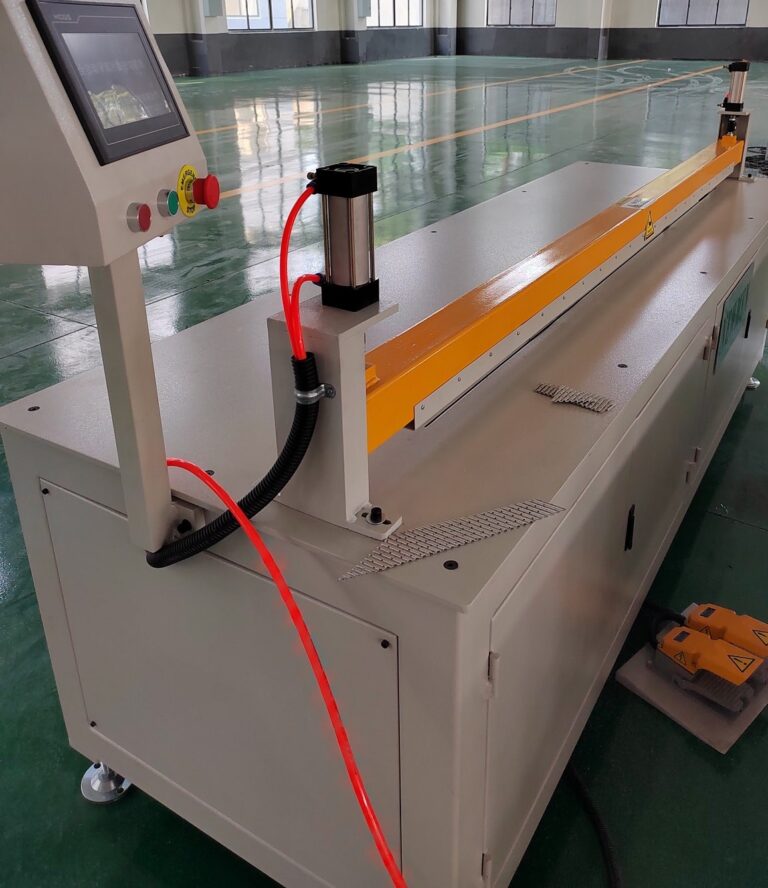
The distribution fins are one of the important brazed components of the aluminum plate-fin heat exchanger. The cutting of the distribution fins is a key process in the manufacturing of the aluminum plate-fin heat exchanger. The production quality of the distribution fins directly affects the assembly quality and brazing quality of the core body. Therefore, mastering the cutting process of the distribution fins for aluminum plate-fin heat exchangers is a crucial step in improving the quality of aluminum plate-fin heat exchangers. However, the guideplates/ distribution fin isn’t regular rectangles that can be directly cut by a fin machine but are parallelograms, trapezoids, etc., as shown in the distribution fin type table below. How to cut the irregular guide plates/ distribution fins?
Comprehensive Comparison Table of Distribution Fin Type A/B/C/D/E for Plate-Fin Heat Exchangers
| Type | Structural Shape | Common Angles | Main Application Scenarios | Machining Features | Applicable Cutting Machine Requirements | General Notes |
| A | Single-bevel parallelogram (single side bevel) | 30°/45°/60° 45° asstandard | Single-side inlet & outlet channels, standard headers. Main air separation heat exchangers,subcoolers and general heat exchangers (largest consumption) | Fixed-lengthcutting with single angle; simple profile | Standard angle-adjustable sawing machine.Servo fixed feeding + single angle adjustment | Angle tolerance:≤+0.5°. Burr-free cutsand no fin deformation |
| B | Double-sided symmetric bevel parallelogram (equal angles on both sides) | 30°/45°/60° 45° asstandard | Middle inlet & outlet, symmetric flow distribution for dual channels. Main condensers,multi-stream heat exchangers and symmetric flow channel equipment | Symmetrical bevels at both ends; synchronous control of length and angle | Same standard saw-cutting machine as Type A. Strict symmetry of angles on both sides is required | Symmetry is the key index to avoid flow deviation |
| C | Unequal-sidedtrapezoid (one end wider, the other narrower) | Mostly 45° Single/doubleside bevel | Wide plate bundles and high flow rate conditions. Inlet flow expansion, flow velocity reduction, and medium erosion prevention | Different widths at two ends; simultaneous control of dimensions and bevel angles | Machine with segmented dimension programming.Supports special-shaped fixed-length cutting; sawing is preferred | Strict dimensional tolerances for both ends.Optimised nesting to improvematerial utilization |
| D | Multi-segment broken line/stepped shape(2~3 segments with different angles) | Combined multiple anglesby segment | Large-scale high-pressure heat exchangers and multi-row headers.Graded multi-stageflow guidance to reduce overall flow resistance | Complex profile with multiple corners, no single inclined surface | Small batch: Fibre laser cutting machine.Mass production.Custom multi-station sawing machine | No burrs or bending at segment joints for smooth flow transition |
| E | Irregular polygon/perforated/corrugated shape (custom structure) | Non-standard angles as required | High-viscosity media and clogging-prone conditions.Special flow fields and enhanced mixing applications | Perforations and irregular edges; highly customised structure | Laser cutting machine is preferred.Not suitable for conventional sawing equipment | High precision requirements for hole positions and overall dimensions; mostlyfor small-batchcustom production |
DAG specializes in providing dedicated guide plate cutting machines which can cut the distribution fins in automatic, high quality and safe modes and have been widely used for plate fin heat exchanger production.
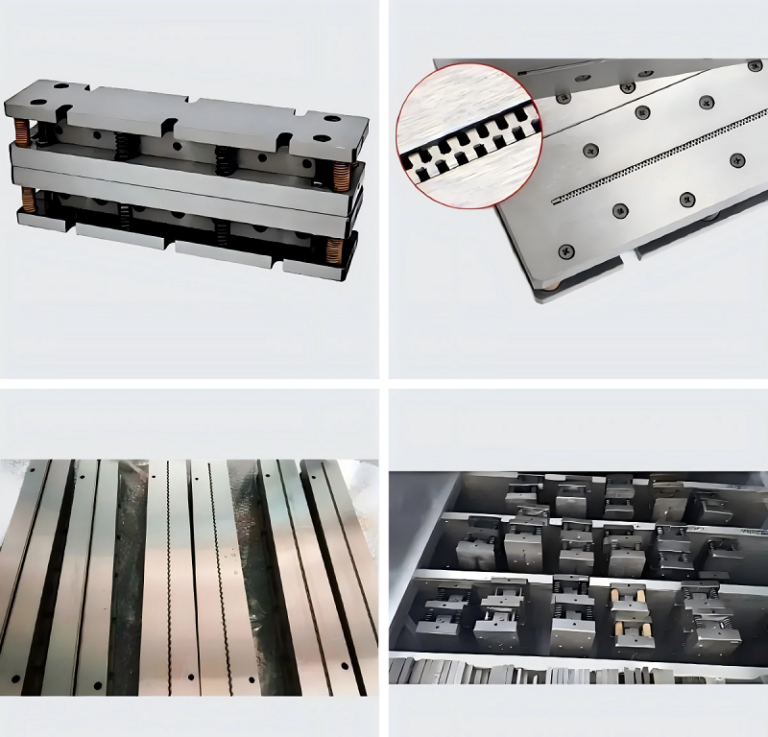
The Fin Machine can produce all kinds of Heat Exchanger Fins, which must be matched with corresponding fin moulds. Main fin types are offset fin, straight fin, perforated fin, louvred fin, and wavy fin. Fin type and pitch are usually fixed by fin moulds. Different fin specifications need different moulds, so there are usually many sets of fin moulds to accompany a fin machine.
If you want to produce fins, please supply your fin specification, including fin type, fin material, fin height, pitch, fin thickness, and fin flow length. We’ll hereby offer you a set of optimised finforming solution incuding fin machine, fin mould and operation instruction. If you have a fin machine and need to produce new fins. please supply the drawing for your mould base as well.
Shenzhen DAG Radiator Machine Company specialises in supplying all kinds of custom fin moulds which can meet or exceed your expectations.
Core builders/ plate fin radiator core assembly machines have been widely used in heat exchanger factories for aluminum plate fin heat exchangers, plate bar coolers, and radiators, which greatly speeds up the core assembly efficiency and increases the loading capacity of the brazing furnace. The plate fin cooler core assembly machine is suitable for assembling plate bar cooler cores of various specifications. The core builder for plate bar coolers can easily and flexibly adjust the length, width and height of the cooler core. The Core Builder for Plate Fin Heat Exchanger can save manpower and time, improve production efficiency, and reduce furnace loading to save energy consumption.
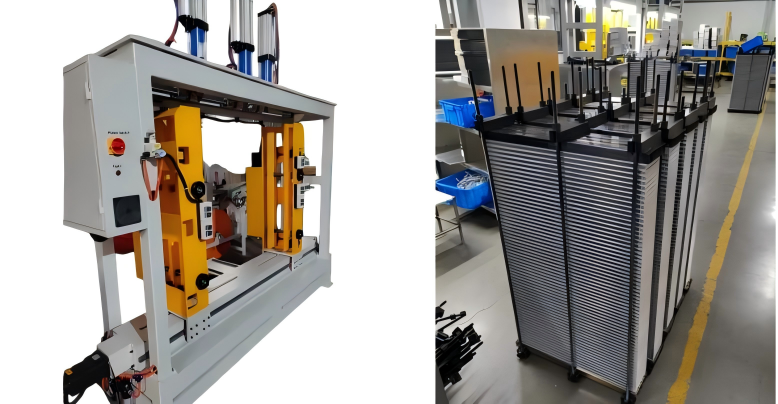
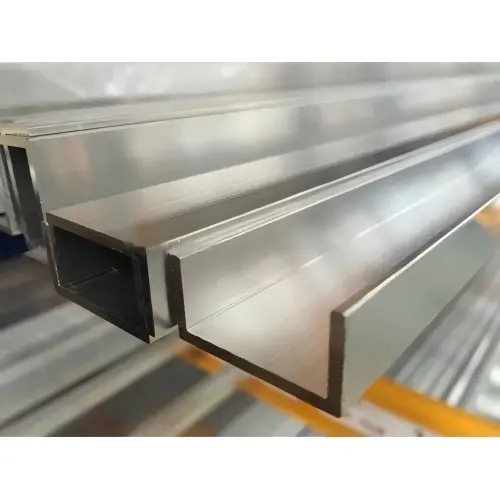
For vacuum brazing aluminium plate fin coolers, the traditional radiator core assembly method is to adopt the WDH adjustable fixed high baffle on platform. After core assembly, professional personnel perform core trimming and use heavy stainless cast steel clamps and long bolts and nuts to fix cores, which is time-consuming and labour-intensive, and cannot make full use of the heating space of the vacuum brazing furnace.
In order to improve the efficiency of core assembly and reduce energy consumption, Core Assembly Machine technology has gradually entered the field of aluminium exchangers, plate fin coolers, and radiators, which greatly speeds up the core assembly efficiency and increases the loading capacity of the brazing furnace.
The plate fin builders have been widely used in plate fin Heat Exchanger factories with the main advantages.
1. Finish the core assembly and shaping in one place
2. Save core-shaping time and avoid moving the core many times.
3. Increase the furnace’s loading ratio.
4. Improve the brazing quality.
Core Assembly Machine, perfectly customized to your product size requirements.
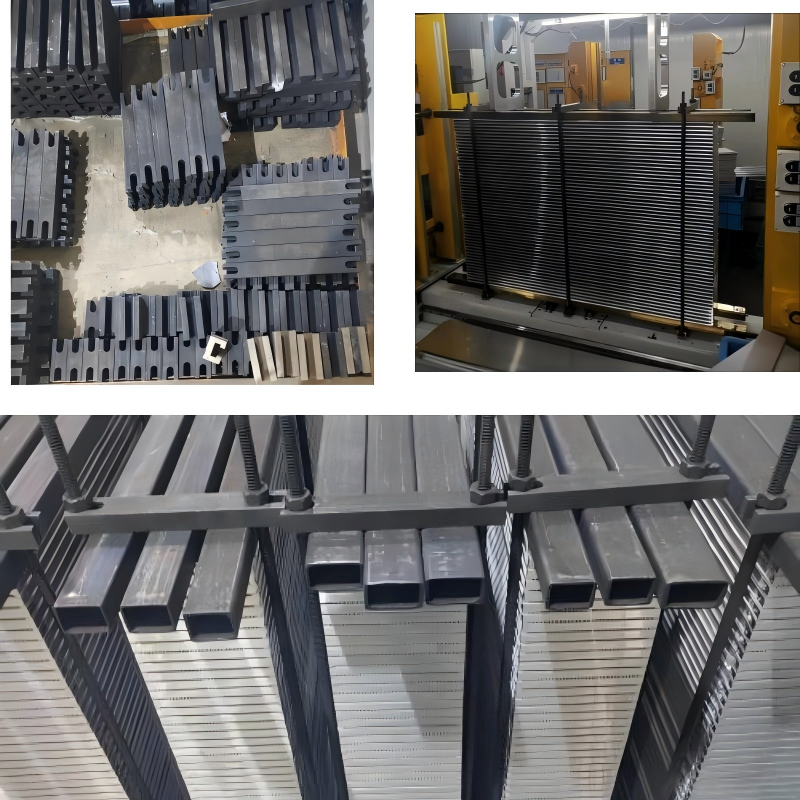
Plate Fin Core Assembly Fixtures are used to fix the plate bar cooler cores after finishing the core assembly. The core fixtures are lightweight, small in volume and can be used repeatedly. The lightweight brazing fixtures are matched to the plate bar Core Assembly Machine
With the automatic tightening force from the assembly machine, the fixtures can fix the cores well. If you don’t use the core assembly machine. please choose another kind of heavy-duty core fixtures; the fixtures need to tighten the core depending on the fixture’s own gravity. After fixing the cores, the plate fin cooler cores with fixtures will be brazed in a vacuum brazing furnace, so the core jig and fixtures are also called plate fin core brazing fixtures.
We can make all kinds of standard and non-standard Vacuum Brazing Furnace Fixtures to clients’ demands.
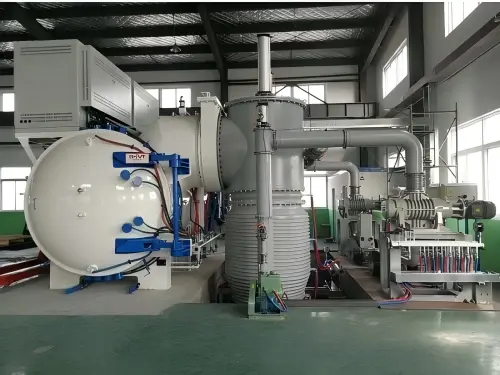
Aluminum Vacuum Brazing Furnace is used to braze aluminium plate fin heat exchangers, aluminum plate bar coolers, aluminum radiators and more aluminum brazing products, which are widely applied in cars, locomotives, trucks, compressors, engineering machines, air separation equipment, etc. Vacuum brazing of aluminum does not involve the use of flux, so it eliminates any risk of corrosion. It is also much more environmentally friendly than dip brazing.
Main technical parameters :
1. Max. Temperature (°C):800
2. Ultimate vacuum (Pa): 6×10⁻⁴
3. Temperature uniformity(°C):+3
4. Pressure rising rate (Pa/h):0.65
5. Effective brazing dimensions: Customized according to product dimensions
Advantages and characteristics:
1. Single chamber, internal heat, cold wall, horizontal or vertical structure
2. Heating element layout is reasonable, radiation area is large, long service life
3. Multi-zone temperature control to ensure good temperature uniformity in the working area
4. Reasonable design of the metal insulation screen, good insulation effect, saves electrical energy
5. Multi-zone temperature control can be used to ensure higher furnace temperature uniformity
6. Good working vacuum and pressure rise rate, good surface quality of the workpiece
7. Multiple records, multiple monitoring and alarm devices
8. Special design of water-cooled electrode to prevent short circuit of power supply from magnesium precipitation
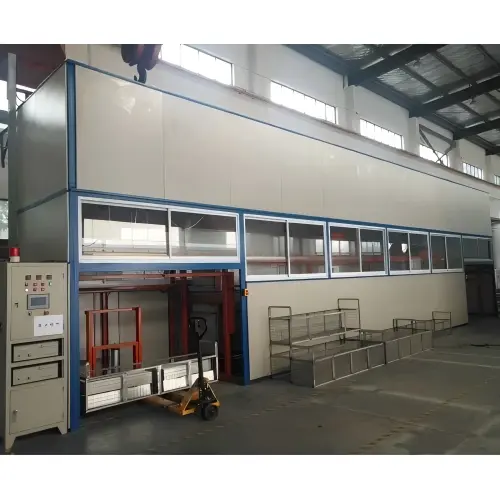
The gas-phase ultrasonic cleaning machine is a sealed type with a manipulator-driven transportation rack, loading by special material baskets, step-type conveying cleaning technology and a pneumatic elevator to transport material. Using organic solvent such as trichloroethylene as the cleaning medium to degrease the surface of the workpiece. Then having freeze-drying. The supersonic
cleaner is suitable for the cleaning of the heat exchanger parts.
The principle of the gas-phase cleaning machine is as follows. When the solvent is heated, the steam forms the gas phase zone. In this area, the oil on the surface of the workpiece is dissolved and washed by steam. When the steam condenses, the dirt along with the grease falls back into the tank to become the cleaning fluid. Then, the cleaning fluid is heated and vaporised into steam to clean the workpiece. This continuous cycle ensures the workpiece is always surrounded by the steam of cleaning fluid, which overcomes the problem of contaminated cleaning fluid in the past common cleaning process.
Equipment specifications and dimensions: Customized according to your specific production needs.
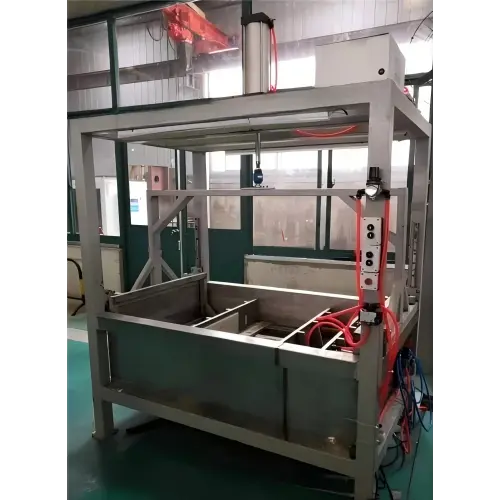
Leak Testing is an important quality control test on heat exchangers. Single core
without tanks and connections, it’s difficult to keep the core sealed for the leakage test. Core Leakage Test Machine is specially customized for testing the air
tightness of aluminum plate bar cores. The testing pressure range is 5 bar Max.
Equipment specifications and dimensions: Customized according to your specific production needs.
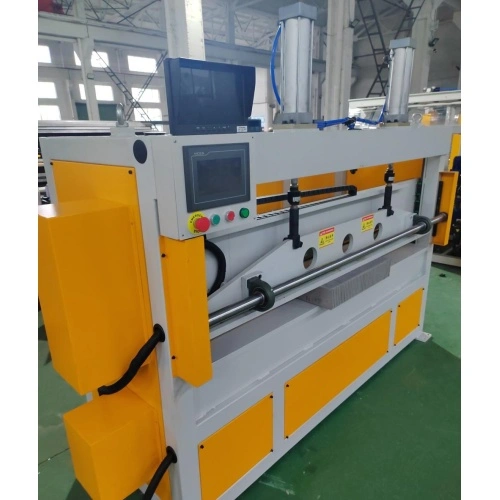
Plate Fin Heat Exchanger Core Automatic Chamfering Machine, Double-head Automatic Beveling Machine can automatically chamfer the upper and lower sides of the core. The radiator core chamfering machine can have automatic positioning, automatic clamping and automatic chamfering.
The Plate Bar Cooler Core Chamfer has the following outstanding advantages
1. Adopts a servo electric cylinder instead of a pneumatic brake, for more accurate positioning and more convenient control.
2. The ladder screw rod is upgraded to a ball screw, with better straightness, more stability, and faster operation.
3. Video monitoring of the entire core chamfering process.
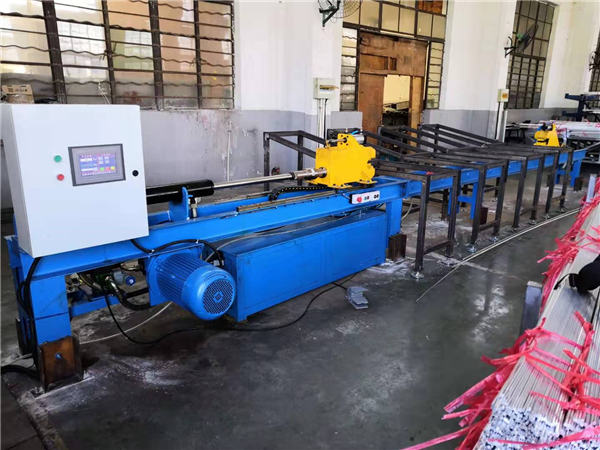
The Automatic Bar Feeding and Cutting Machine adopts a PLC control system and uses a touch screen to set control parameters for the servo motor. The servo feeding is through a high-precision ballscrew to automatically transport the bars. Meanwhile, the sawing machine automatically cuts the bars. The automatic feeding and cutting bar machine greatly improves production efficiency and reduces labour. The bar cutting machines have been widely used for heat exchanger production
Aluminum Bar Automatic Feeding and Cutting Machine Main Parameters:
1. Set cutting length: 30~2500mm
2. Sawing material: Aluminum Bar
3. Cutting height: 120mm
4. Sawing motor power: 4kw
5. Conveying motor power: about 3kw
6. Conveying motor speed: maximum 20m/min, adjustable
7. Operation control: touch screen
Aluminum Bar Automatic Feeding and Cutting Machine’s Features:
1. Servo motor, PLC control
2. Touch screen operation
3. High-precision ball screw for feeding
4. Automatic oil sprayer cooling
WhatsApp us
Disclaimer: We promise not to automatically push advertising emails for you.

Condition:New
Fin Material:Copper
Speed:100 M/min
Working Principle:Fin Rolling Mechanism

Condition:New
Workpiece specification:as per drawing’s requirement
Workpiece length:100-1000mm
Production capacity:180 pcs/hour
Drive mode:Servo+Hydraulic+Pneumatic

Height Of Brazing Furnace:250mm
Width Of Brazing Furnace:1000mm
Mesh Belt Operating Surface Height:900mm
Length Of Brazing Furnace:6000mm
Working Station Size:1000mm×250mm
Speed:150~600mm/min

Condition:New
Fin Making Machine :280m/min
coil inner diameter:300mm
Fin cutting frequency: max 80 times/min;

Pipe effective length: 200-650mm
Slot forming time: 20 seconds per pipe
Hydraulic system working pressure: 8-21Mpa
pneumatic system working pressure: 0.5-0.8Mpa
overall dimension: 2500mm×2100mm×2750mm
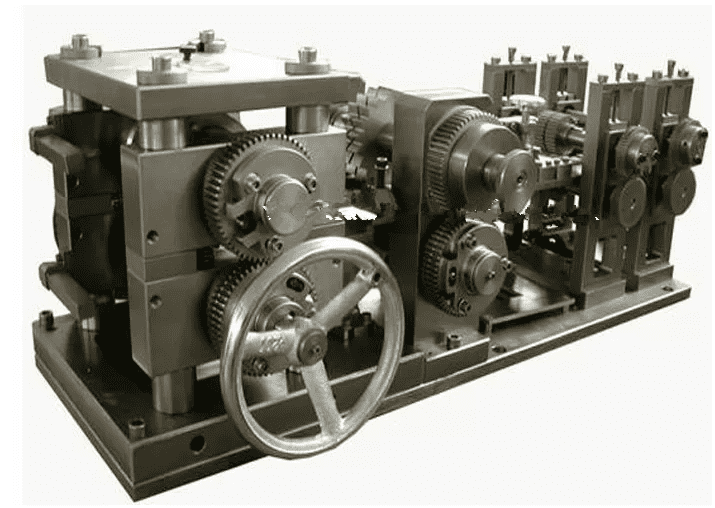
Core Components:PLC, Motor
Condition:New
Height Tolerance:+0.03mm, – 0.01mm
Fin Width:8~200mm (Customized)

Core Components:PLC, Motor
Condition:New
Height Tolerance:+0.03mm, – 0.01mm
Fin Width:8~200mm (Customized)

Core Height:350-780mm (Customized)
Core Thickness:16~48mm (Customized)
Clearance Between Fin & Header Plates:2mm (1.0mm)
Built Core Width Error:±1.5mm

Machine Weight:About 2100kg
Radiator Core Height:100-800mm
Suitable Teeth Pitch:Adjustable, Default 10mm
Clinching Speed:1-20 Times Per Minute

Working speed:0-100m/min stepless control
Fin height: 8±0.05mm
Voltage, Power:380V/50Hz,4.5kw
Protective Shield:Can Be Customized
Programmable:Yes

Conditions:NEW
Fin & Tube Collocating Time:1 Second Per Collocation
Voltage, Power:380V 50Hz ≤13Kw
Applicable Core:Radiator Core, Condenser Core