Radiator Crimping Machine Solutions for Better Results
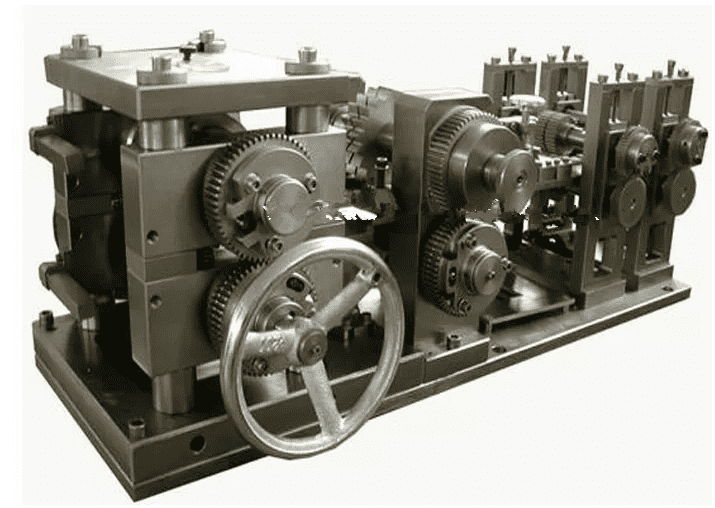
Choosing the right Radiator Crimping Machine can change how factories work. The best machines help work go faster and make better products. They also work well every time. Companies can pick manual, semi-automatic, hydraulic, or fully automatic machines. Each kind fits different jobs and factory sizes. The right machine helps factories make more and get the same good results each time.
A Complete Guide to Choosing the Right Radiator Fin Forming Machine Manufacturer
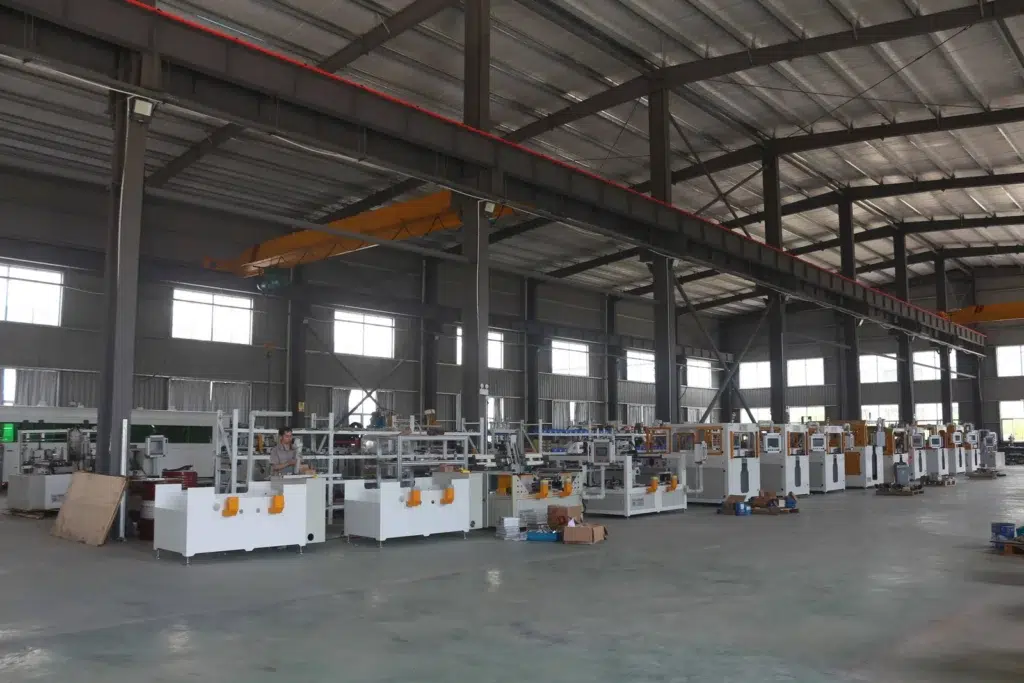
Many businesses want to find the best radiator fin forming machine manufacturer. Companies understand that picking the right partner affects how well thermal management works. Choosing a radiator fin forming machine manufacturer needs careful thinking about machine quality and business goals. Good thermal management needs equipment that works well and helpful support. Each Fin Forming Machine should handle the needs of modern thermal management. Careful planning helps bring success and lasting value.
Automotive Radiator Core Making Machines That Stand Out in 2025
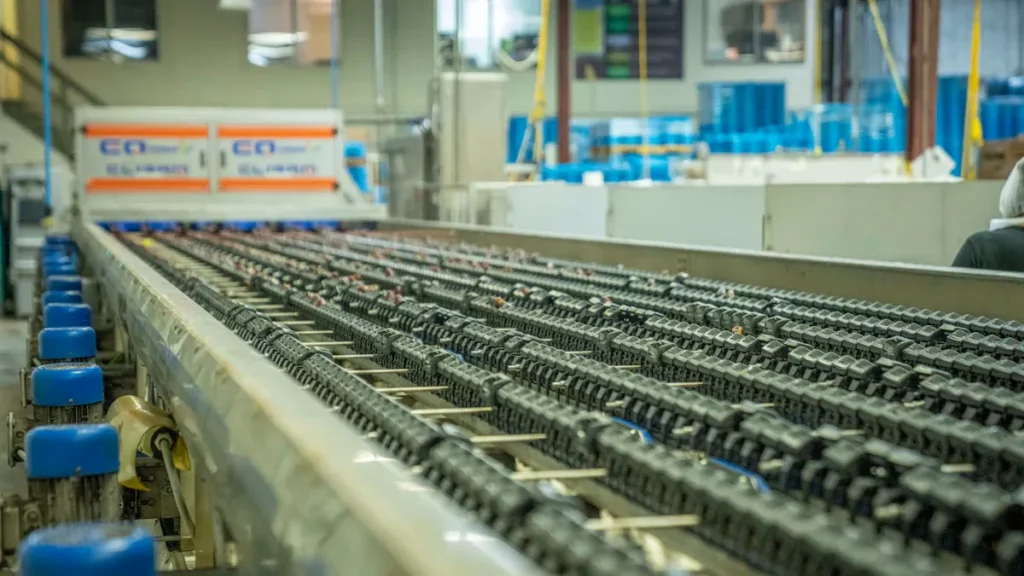
Manufacturers looking for the best automotive radiator core making machine in 2025 will see top choices like DAG and the ZPX-280 model. These machines work well because they use a lot of automation. They make products quickly and can be changed for special needs. They can handle many core sizes and fin types. This helps them fit new car needs. The industry is moving toward electric and hybrid vehicles. This change means there is more need for real-time thermal management. There is also more use of materials like aluminum that are better for the environment.
The Comprehensive Guide to Radiator Fin Forming Machines
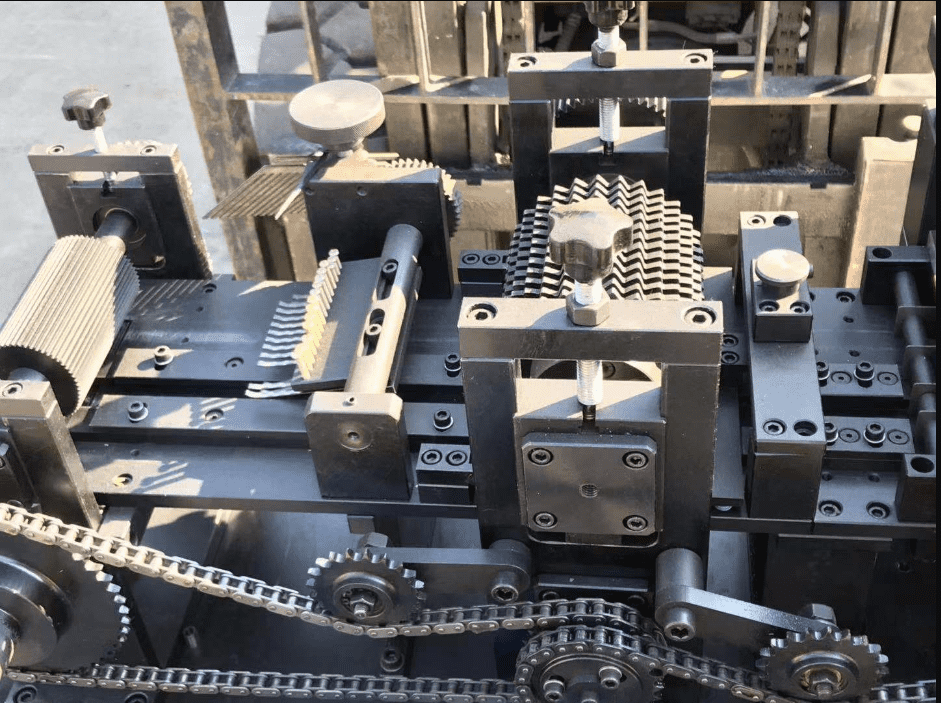
Are you looking for radiator fin forming machines for the production of automotive radiators, air conditioners, and refrigeration units? This comprehensive guide will help you choose the right machine.
Fully Automatic Aluminum Automotive Plastic Water Tank Crimping Machines
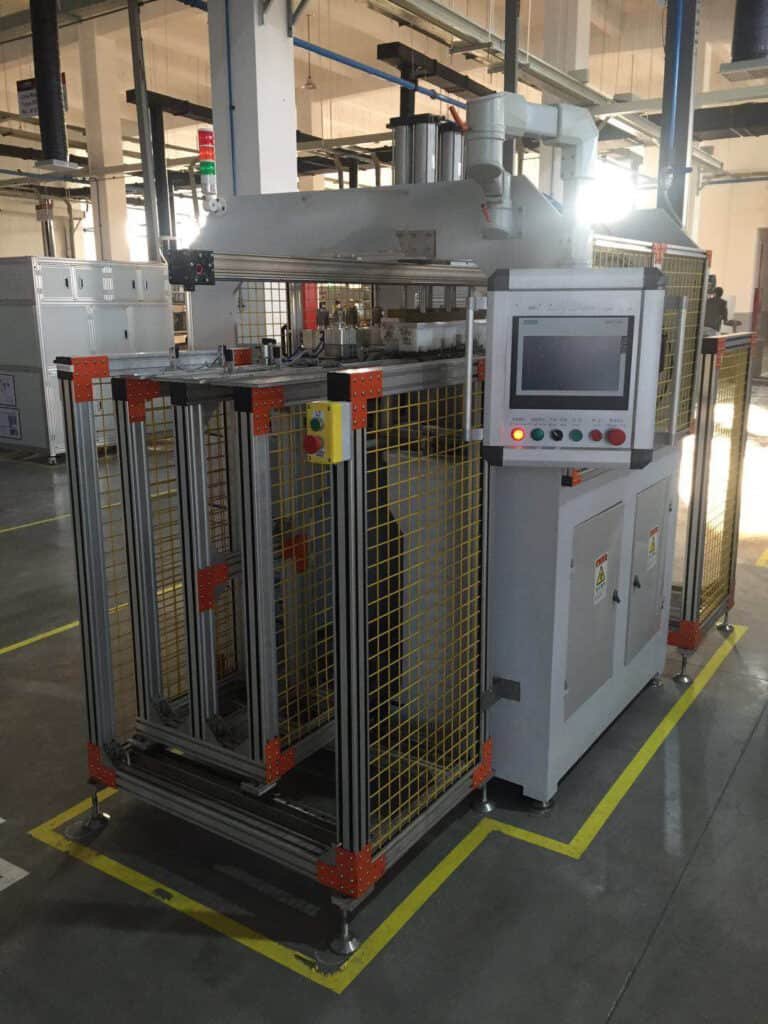
Need a plastic water tank crimping machine for car radiator manufacturing? Check out the best fully automatic aluminium automotive plastic water tank crimping machine to upgrade your business.
The Ultimate Guide to Radiator Core Builder Machines
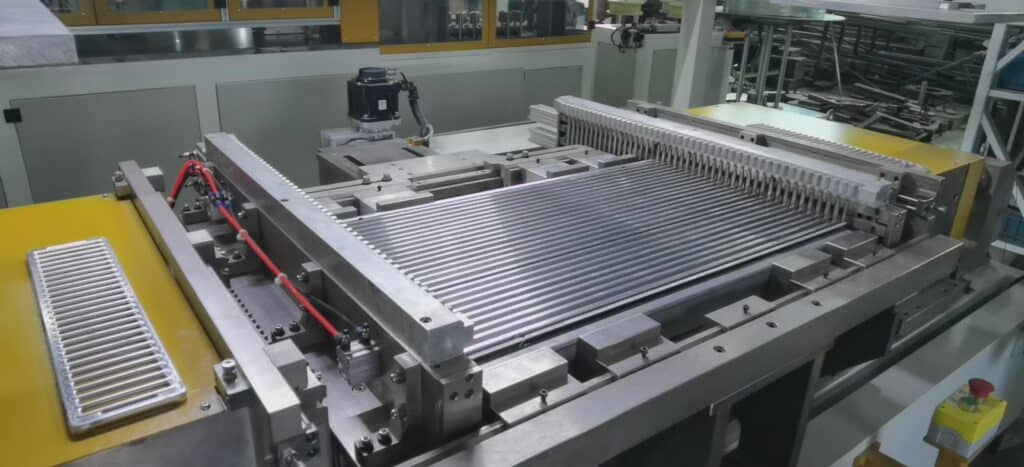
What are the main factors to consider when shopping for the best radiator core builder machine? This ultimate comprehensive guide will help you save time and money.
How to Choose the Right Copper Radiator Fin Forming Machine
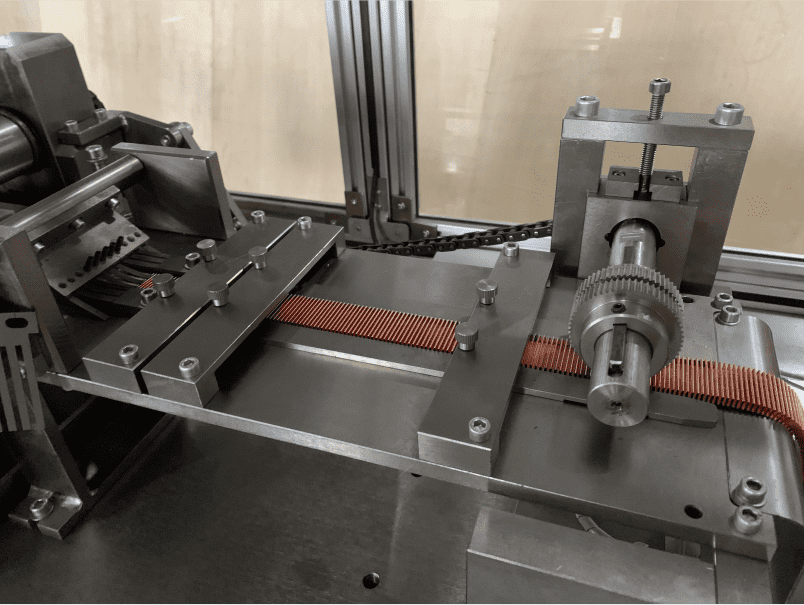
How do you choose the correct copper radiator fin forming machine for your factory? This article will help you choose the best machine to grow your business and increase revenue.
Unveiling the Promising Prospects of the Automotive Radiators Industry
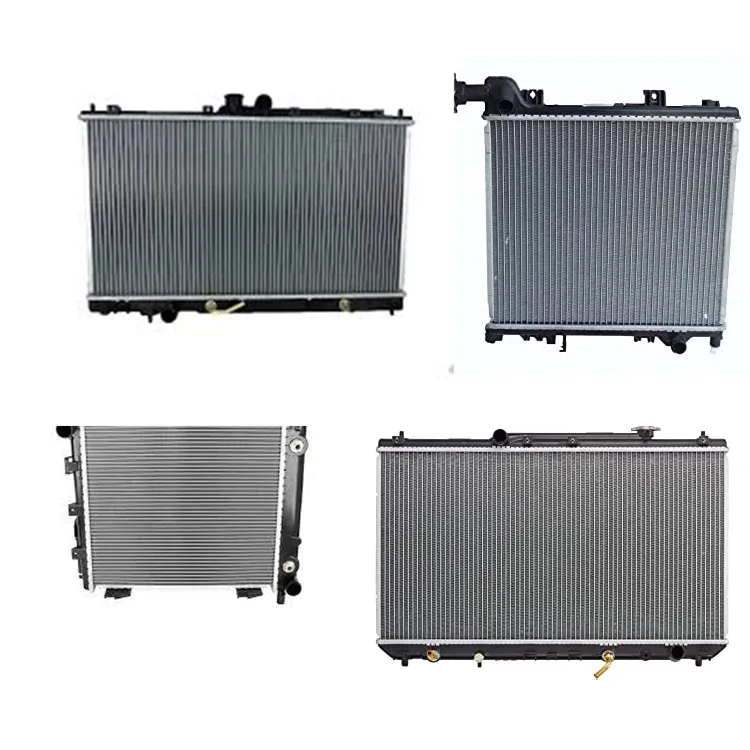
The road ahead for the automotive radiators industry is filled with promise and potential. The industry is set to witness significant growth in the coming years, driven by the increasing demand for vehicles, advancements in radiator technology, and the growing focus on fuel efficiency and environmental sustainability.
Advanced Car Aluminum Radiator Plastic Water Tank Crimping Machine
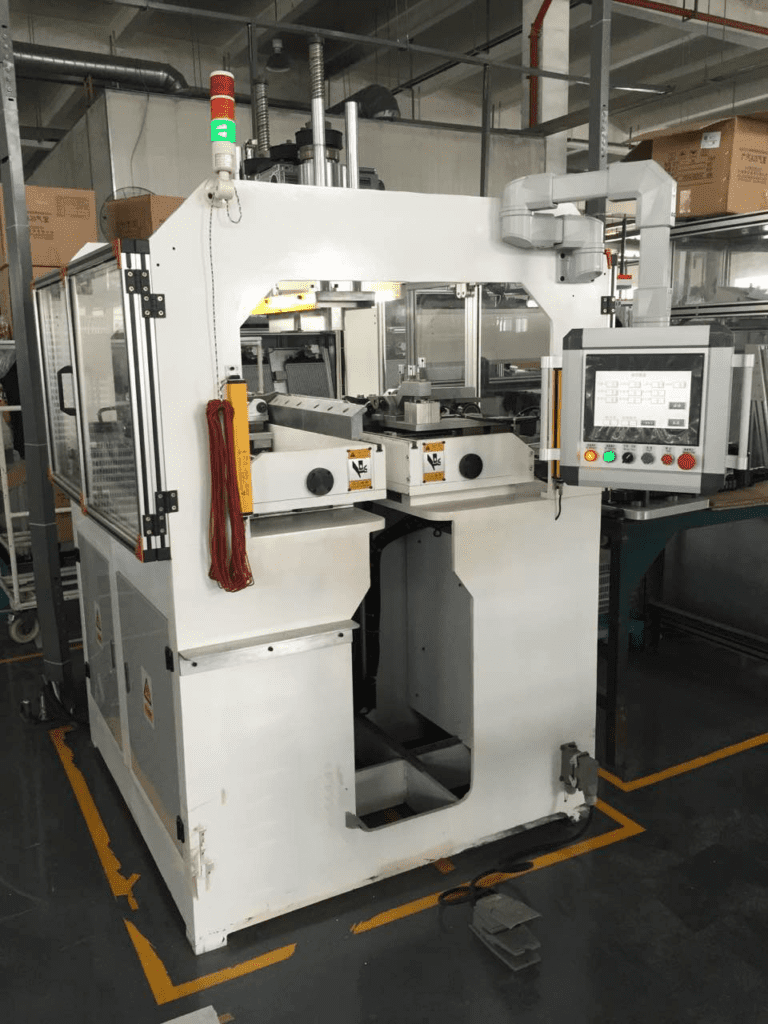
Staying ahead of the competition is crucial for businesses in the rapidly evolving automotive industry. One area where advancements have significantly impacted performance and efficiency is the manufacturing process of car radiators. With the introduction of car aluminum radiator plastic tank crimping machines, automotive businesses can now achieve superior results in radiator production. These advanced machines revolutionize the crimping process, ensuring precise and secure connections between aluminum radiators and plastic tanks. In this article, we will explore the benefits of using advanced crimping machines, how they work, the essential features to consider, and the importance of choosing a suitable machine for your automotive business.
An In-depth Look at Car Radiator Fin Forming Machines
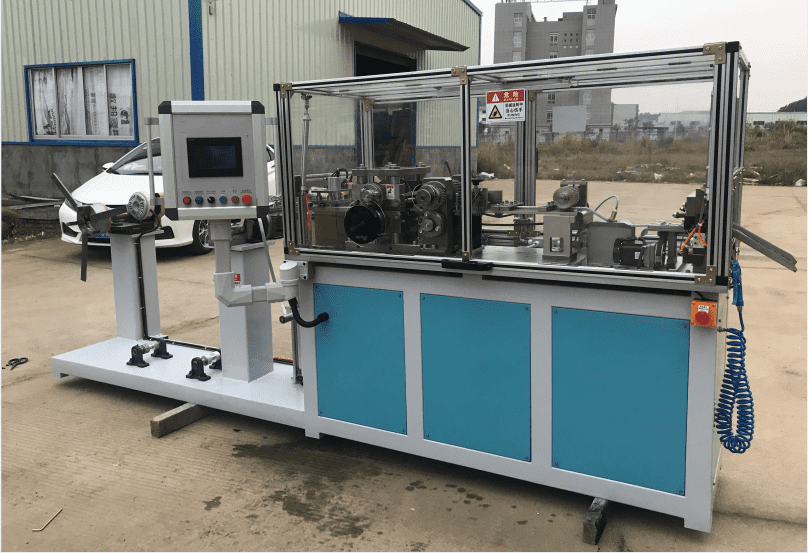
The Car Radiator Fin Forming Machine creates the delicate and intricate fin patterns seen on radiator cores. These fins are crucial for the radiator’s function, as they enhance the surface area for heat to dissipate, thus maintaining the engine’s temperature.